Why Under-Fueling is Ruining Your Ride
Disclaimer: I am not a registered dietitian or a sports nutritionist. I am a mountain biker who has spent the last few years deep in sports science research while writing a cookbook for endurance athletes, simply because I got tired of seeing people crash and burn on the trail.
Almost every mountain biker has a bonking story. I have been fortunate enough to avoid the extreme end of this, usually because I aggressively overpack snacks for myself and anyone I might run into. But my husband, Spencer, has a classic tale as old as time.
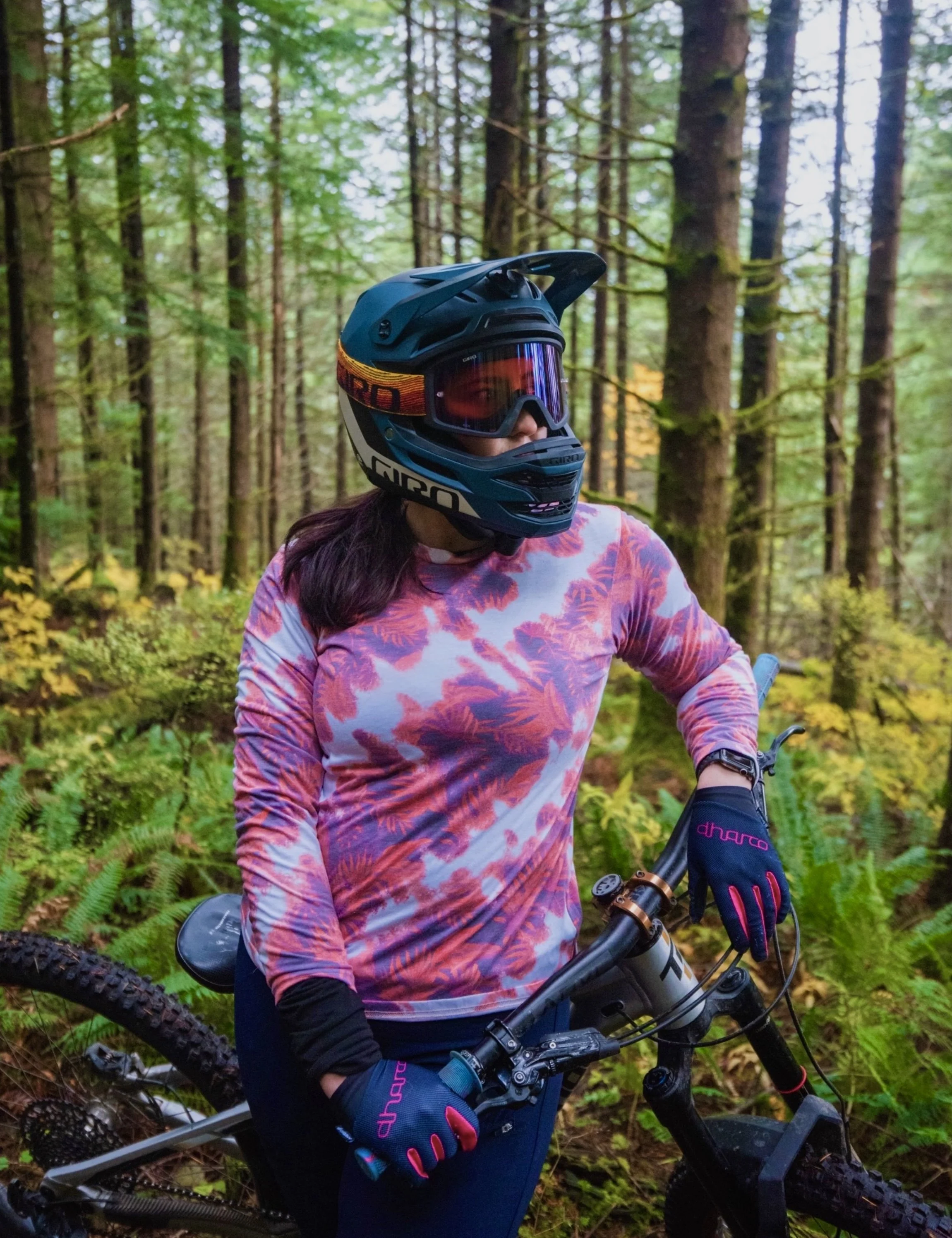
Growing up racing lightweight, nimble cross-country bikes, Spencer was incredibly fit and used to the output those bikes require. A few years ago, he took a heavy, full-suspension enduro bike out on the trails in Santa Cruz. If you have ever made that switch, you know that heavy enduro bikes are a massive energy sink on the climbs compared to an XC hardtail. But he was having an absolute blast on the descents, and in the excitement of the ride, nutrition and hydration completely slipped his mind.
On one of the final, grinding climbs, his legs started moving like they were submerged in molasses. His pace steadily died, and before he could even process what was happening, he literally tipped over and fell off of his bike while going uphill. He found himself completely incapacitated in the dirt, dozing in and out of a feverish daze, unable to lift his own body weight. He awoke to a friend frantically feeding him trail mix. He hadn't even thought to get food into his own system, because from a neurological standpoint, your brain runs exclusively on glucose. When you deplete it, executive function, rationale, and common sense are the very first things to shut down.
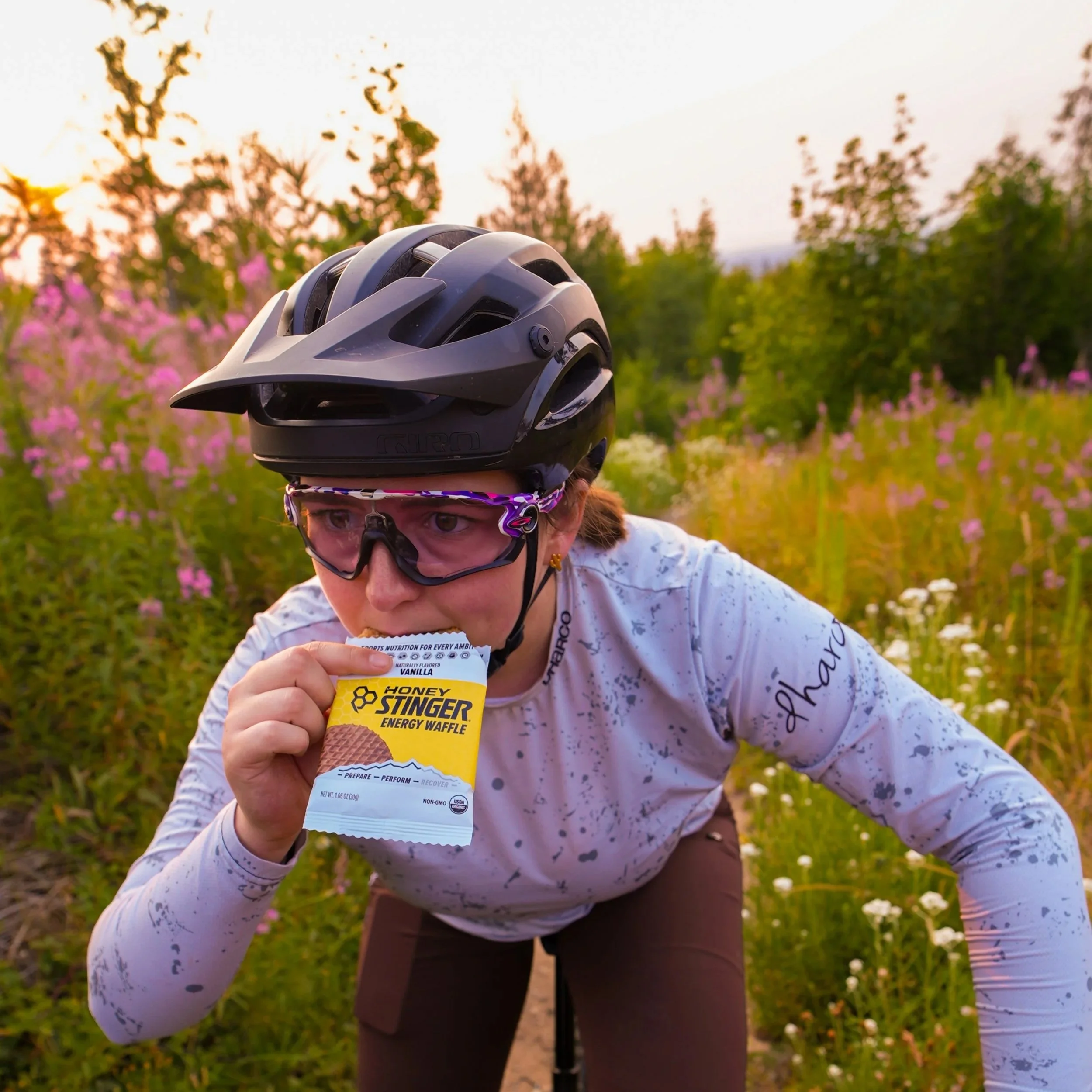
When you hear a story like that, it is easy to think it is just an isolated case of forgetfulness. But the reality is that most people simply don't know how to navigate food when it comes to cycling. There is no instruction manual handed out when you buy a bike. You run into people all the time who are three hours deep into a massive ride, absolutely destroyed, because they thought eating a big breakfast that morning was going to be enough.
It isn't that people are doing it wrong maliciously; there is just a profound lack of accessible guidance. To understand how to avoid the bonk, you have to look at how the human body actually stores and burns fuel. When you are riding, your muscles run primarily on carbohydrates, which are stored as glycogen in your muscles and your liver. The human body can only store a finite amount of glycogen, roughly 1,800 to 2,000 calories worth. Vigorous cycling can completely burn through that reserve in just 90 to 120 minutes.
Once those stores are depleted, your body has to frantically switch to burning fat. Because converting fat to usable energy requires significantly more oxygen and time, your power output plummets. A general rule of endurance sports is that by the time you actually feel hungry on the bike, it is already too late. You are in an energy deficit.
This brings us to one of the most common fueling mistakes on the mountain: relying exclusively on gummies or candy.
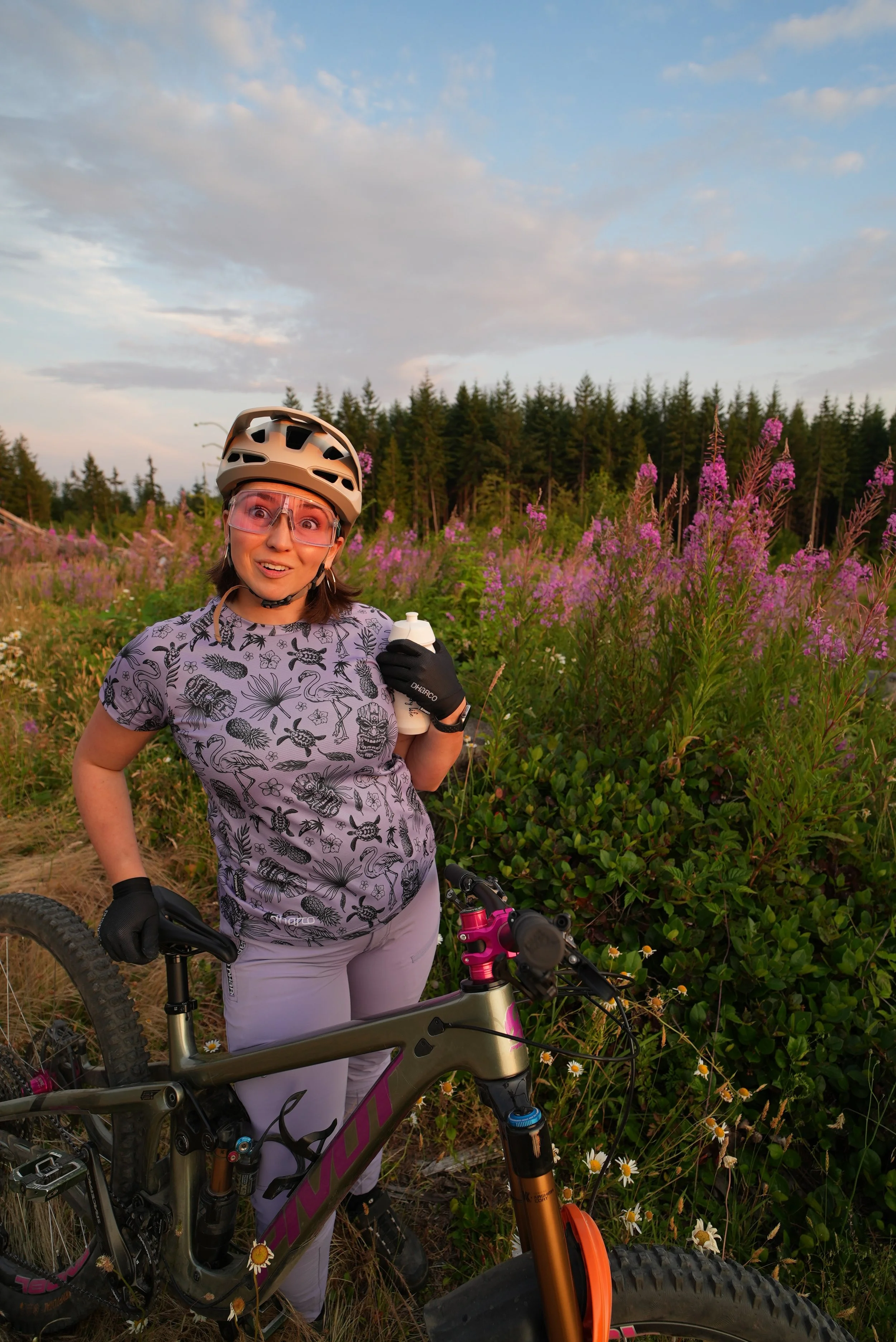
While a quick hit of simple sugar is helpful in a pinch, relying solely on it can backfire. Clinically, this comes down to gastric osmolality and carbohydrate absorption rates. When you dump highly concentrated simple sugars into an empty stomach, it creates a hypertonic environment. To dilute that intense concentration, your body literally pulls water out of your bloodstream and into your gut, which can cause sloshing, severe cramping, and dehydration. Furthermore, your intestines use specific protein transporters to absorb carbohydrates. If you only consume one type of sugar (like the glucose found in most candies), those specific transporters will max out at around 60 grams per hour. Anything you eat beyond that just sits in your stomach, fermenting and causing distress.
Instead of relying solely on candy, sports science points toward a mixed-carbohydrate, real-food approach. By combining different types of carbohydrates—like the natural fructose found in dates or fruit, mixed with the complex carbohydrates of oats or rice—you activate multiple absorption pathways in your gut. This allows your body to actually process more energy per hour without the violent insulin spikes and crashes.
You also have to replace the sodium you lose through sweat, which dictates nerve function and fluid balance. Packing snacks like lightly salted pretzels, Cheez-Its, or homemade rice cakes provides easily digestible carbohydrates paired directly with the sodium your nervous system needs to stave off cramps.
The final hurdle is learning how to eat while moving. When you exercise intensely, your body actively constricts the blood vessels around your digestive tract, shunting up to 80 percent of your blood flow away from your gut and into your working muscles. If you wait until you are exhausted and then eat a massive amount of food, it sits in a stomach that has virtually no blood flow to process it. You have to practice "gut training." By eating small amounts of food consistently every 30 to 45 minutes on your regular training rides, you actually train your digestive system to efficiently allocate blood flow and process fuel while your legs are working.
This widespread confusion, the gap between clinical sports science and the reality of just wanting to eat good food on the mountain, is exactly why I have spent the last few years researching and developing recipes. It is the driving force behind my upcoming cookbook, Cooking Up Loam. I wanted to create a resource of real food for real athletes.
Until that book is out in the world, do yourself a favor. Stop trying to survive a massive backcountry descent on a single packet of gummies. Pack real food. Eat before you feel hungry. And stop starving yourself on the mountain.