The Beginning of Everything
I didn’t grow up in a biking family. There was no dad loading bikes onto a rack on weekends, and no older sibling showing me the lines. I came to mountain biking the way a lot of us do; without the lifelong foundation.
When you enter this sport as an adult in your twenties or thirties, you are stepping into an arena alongside people who were on balance bikes at three years old. You realize very quickly that this industry is heavily skewed toward child prodigies. There are doors that open early in this sport and quietly close before most people even know they exist.
My husband, Spencer, was the one who introduced to me the sport. My first real ride was an XC climb, and I absolutely hated it. I didn’t have the fitness, and my body didn't speak the language yet. But once he showed me a taste of the descent, it was over. Before long, we packed up and moved to Bellingham, Washington, chasing the epic trails and rad dirt.
What I found in Bellingham was a sport I loved deeply, but a culture that was notoriously hard to crack. The mountain biking world loves to sell a sugarcoated fantasy, but the deeper you get into the competitive side, the more you see the reality. There is a toxic "just send it" culture that pushes riders into catastrophic injuries, and heavy gatekeeping of everything from racecraft to suspension setups. It’s a business where talent alone doesn't always open doors.
I got tired of waiting for the industry to acknowledge that reality. I realized that if I couldn’t rely on a childhood race pedigree, I had to rely on strategy.
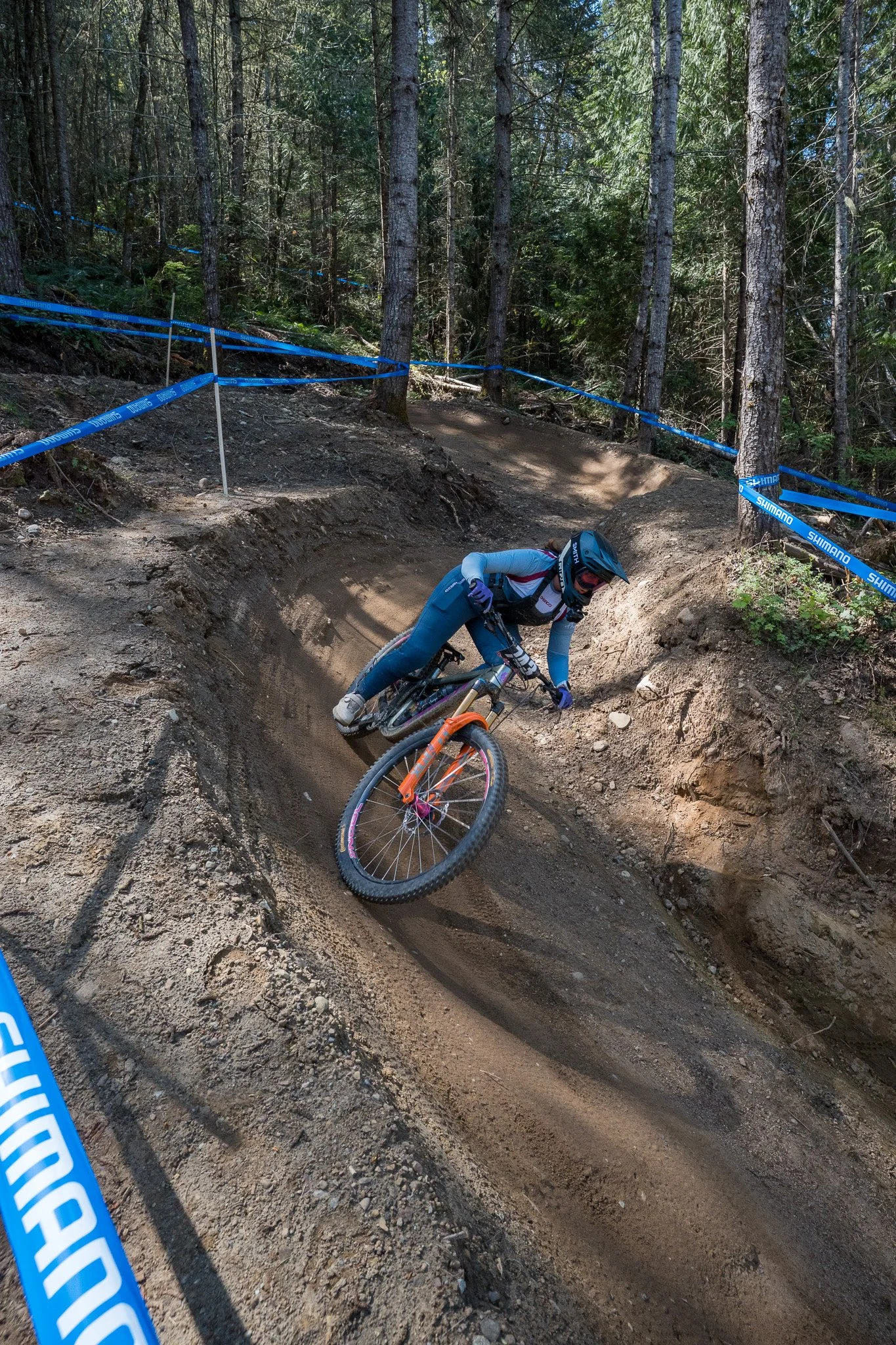
I stopped waiting for space to be made for me and started strategically carving it out. That means choosing calculated progression over blind ego. It means understanding the stacking factors of a race day and respecting your own limits. If a race category, a riding group, or a discipline doesn't serve your progression, you don't freeze. You pivot.
This platform is the blueprint I wish I had. This is the ungatekept, unapologetic reality of what it actually takes to progress as a dedicated rider. Whether we are talking about surviving the psychological pressure of a race, navigating industry sponsorships, or recognizing that you don't have to look like one of the pros to get respect on the mountain, I am giving you the insider's guide.
You shouldn't need a lifelong pedigree to belong here, but you do need dedication. This is for the riders who showed up late, put in the grueling work behind the scenes, and are ready to claim their space.
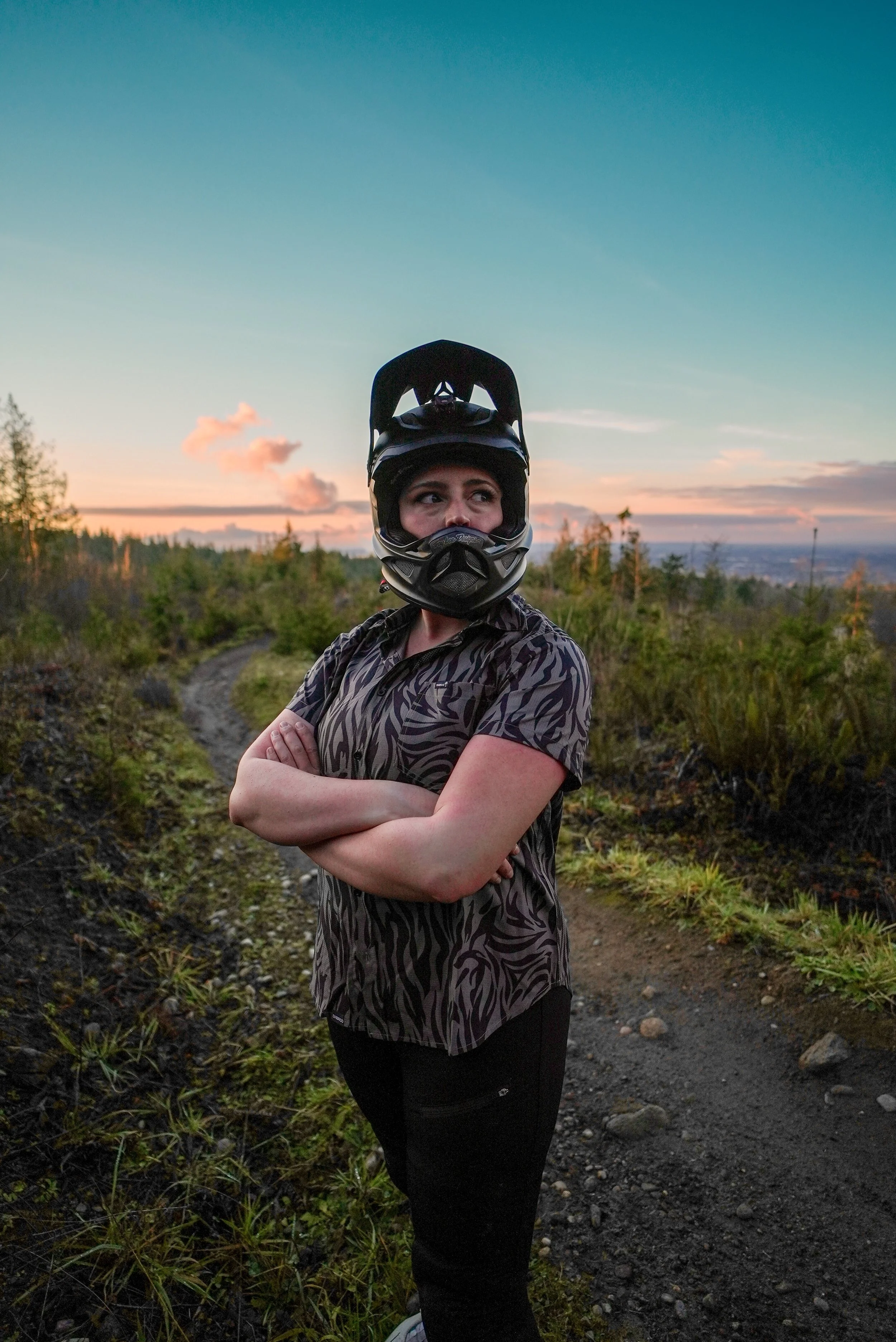
I'm Freya Timmerman. Welcome to my little corner of the bike industry.